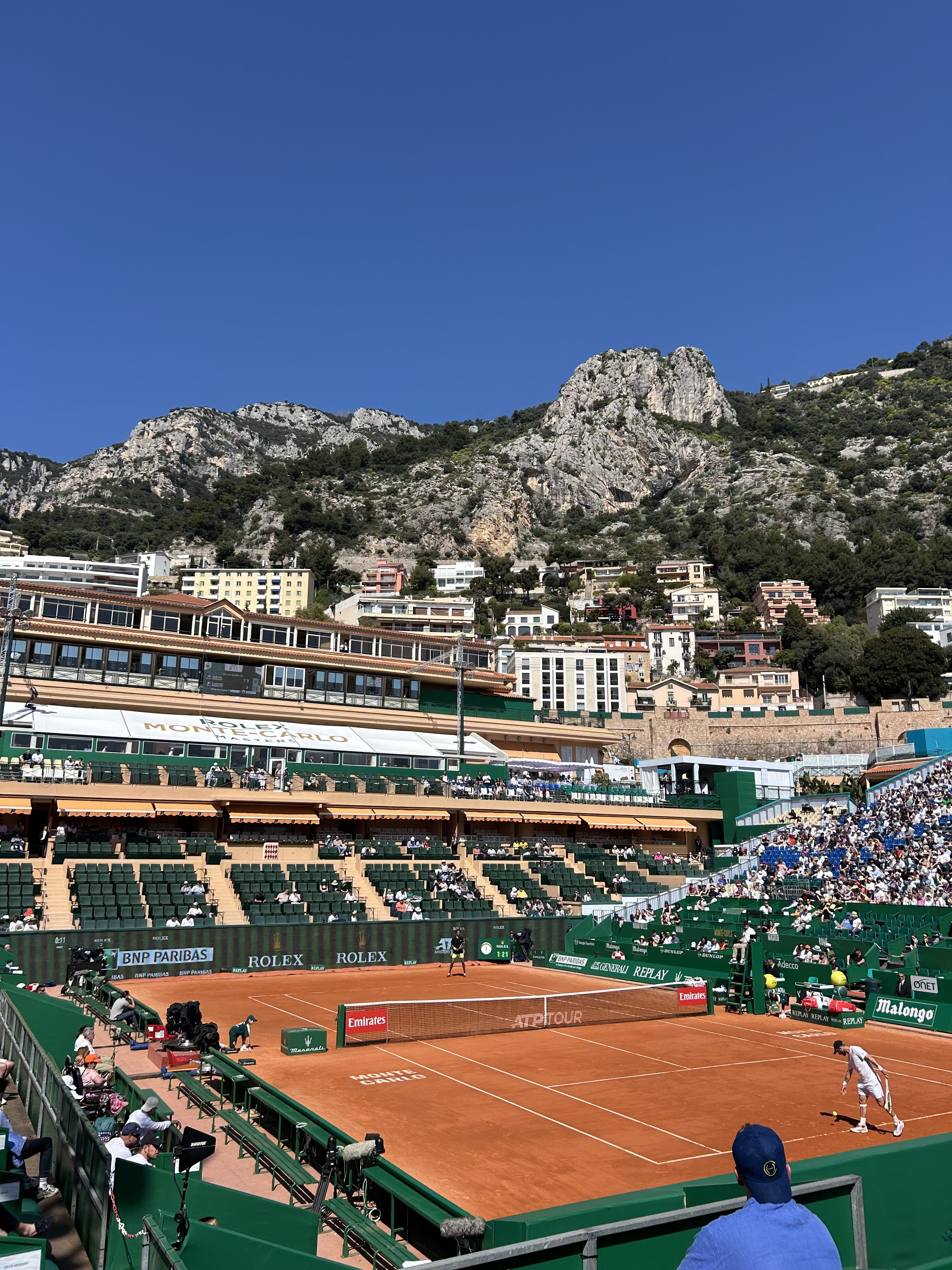
Every April, the Monte-Carlo Masters marks the beginning of the European clay season and occupies a unique position in the global tennis calendar.
As one of the few ATP Masters 1000 tournaments not owned directly by the ATP Tour, Monte-Carlo represents an interesting economic model within professional tennis. The event combines private ownership, strong institutional partnerships and one of the most distinctive locations in international sport.
Beyond the competition itself, the tournament plays an important role in the broader sports ecosystem of the region. It attracts a global audience, generates significant tourism flows and creates a platform where sport, business and international networks intersect.
For players and their teams, tournaments like Monte-Carlo are not only performance milestones. They are also high-visibility stages where athletic results, brand exposure and commercial opportunities often converge.
In many ways, the Monte-Carlo Masters illustrates how major sporting events have evolved into strategic platforms that connect sport, global audiences and the wider sports business ecosystem.