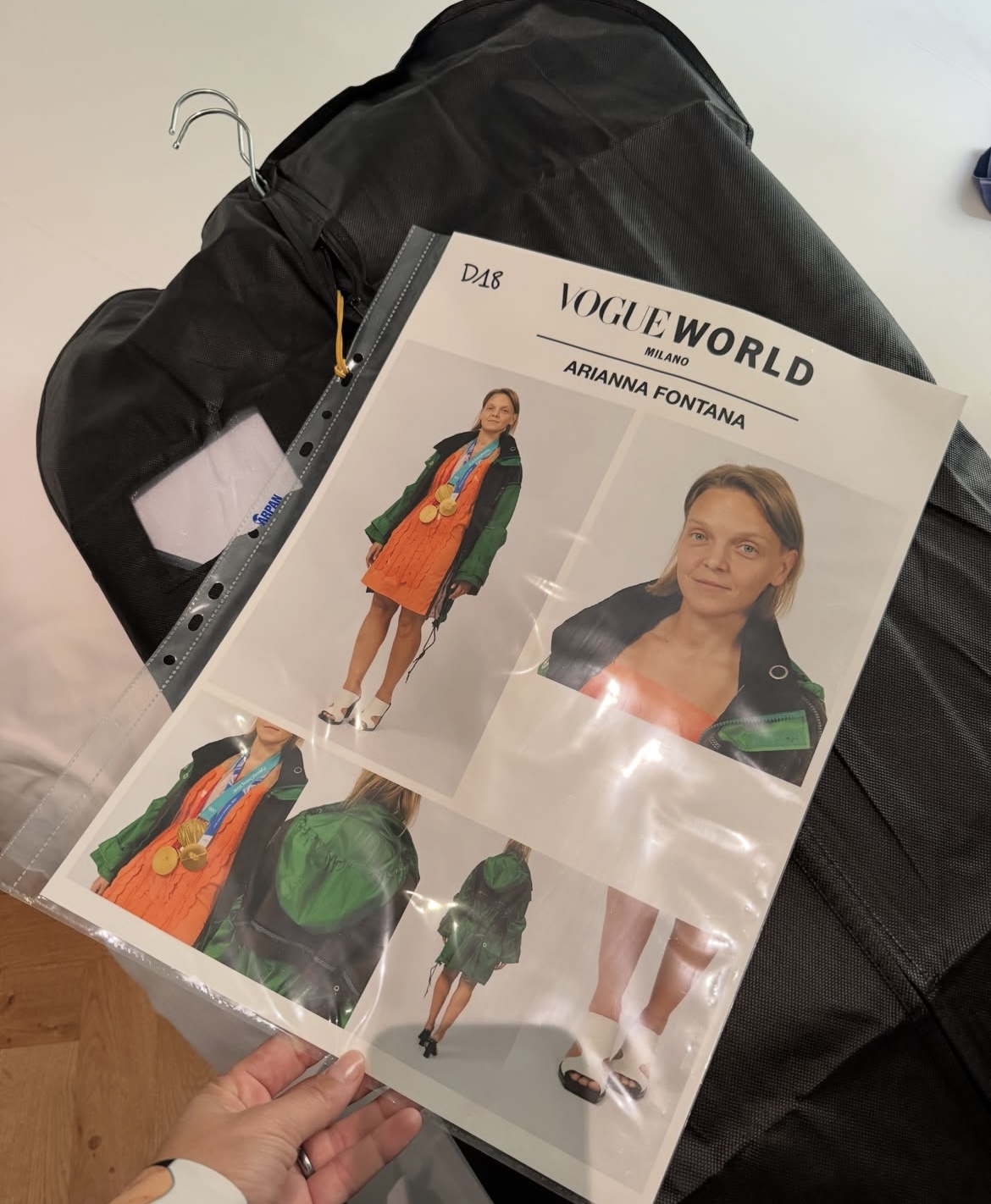
On September 22, the Galleria Vittorio Emanuele II in Milan hosted the fifth edition of Vogue World. One of fashion’s most watched annual events. $3 million raised for a city library. Italy’s most prestigious houses — Prada, Gucci, Armani, Miu Miu, Valentino — on full display in the most expensive retail arcade on earth.
And walking through it: Olympic champions, Paralympians, Grand Slam winners - not as guests, but as the main event.
The shift nobody is calling by its real name
There is a tendency, in both fashion media and sports media, to treat crossover moments like this as cultural curiosity. An athlete on a runway is a fun story. A colourful sidebar. Something for the style section.
We think that framing misses the point entirely.
What happened in Milan was not about style. It was about the structural convergence of two industries that have spent decades building parallel systems for the same thing: monetising human excellence in front of a global audience.
Fashion has been doing this for a hundred years. Sport is catching up fast. And the athletes who understand this first will build careers that outlast their performance by decades.
What the numbers actually say
Aryna Sabalenka signed a global ambassadorship with Gucci in January 2026. By September, she was walking their runway at the most photographed fashion event of the year. The sequence matters: the deal preceded the runway, not the other way around. Her four Grand Slam titles were not the decoration. They were the asset that made the partnership commercially viable for one of the world’s most valuable luxury brands.
Arianna Fontana carried three of her fourteen Olympic medals down that runway. She is the first woman in history to win Olympic medals at six consecutive Winter Games — a record that took twenty years to build. In that twenty years, she created something no campaign budget can replicate from scratch: credibility at scale, across multiple generations of fans, in one of the world’s most passionate sporting nations. That is brand equity. And it was on display not at a stadium, but at Fashion Week.
Paola Egonu and Myriam Sylla walked for Miu Miu. Their jerseys were not there. Their trophies were not there. They were there because their names — and the stories attached to those names — carry weight far beyond the volleyball court. Brands pay for that weight. Fashion houses, in particular, have become sophisticated buyers of it.
The asset most athletes don’t know they own
Here is the uncomfortable truth that very few people in professional sport management say out loud: most athletes are significantly undervalued — not in their contracts, but in their commercial positioning.
A podium finish generates coverage. A world record generates coverage. But coverage without strategy does not compound. It fades. The athlete who wins gold in August and has no coherent brand narrative by January has lost twelve months of leverage they will not recover.
Fashion, by contrast, is obsessed with narrative. A luxury house does not simply buy access to an athlete’s audience. It buys association with a story: of excellence, of sacrifice, of identity. The athlete who can articulate that story — and whose management team can place it in front of the right partners at the right moment — operates in a fundamentally different commercial tier than the one who cannot.
This is not a controversial observation. It is, however, one that the sports industry has been slow to operationalise.
Why Milan matters as a signal
Vogue World has featured athletes before. The 2024 Paris edition was built around Olympic disciplines. But what distinguished Milan was the absence of a sports theme. The athletes in that Galleria were not there because it was a sports-themed show. They were there because Condé Nast, working with some of the most commercially astute brands in the world, decided that athletes were the most compelling vehicle for their story.
That is a meaningful distinction. It means the fashion industry — with its global reach, its aspirational audiences, and its enormous marketing budgets — has independently concluded that elite athletic achievement is one of the most powerful commercial signals available to them.
When luxury brands start acting on a thesis, money follows. And when money follows, the athletes who are already positioned to receive it will disproportionately benefit.
What this means in practice
The window between peak athletic performance and peak commercial opportunity is narrower than most athletes and their teams realise. The decisions made during that window — about image, about partnerships, about narrative, about which platforms and houses and causes to associate with — have consequences that extend twenty, thirty years beyond the final competition.
Milan was a reminder that the people who understand this are not just in sport anymore. They are in fashion. They are in finance. They are in media. They are actively building the infrastructure to work with athletes who come prepared.
The question is not whether your name has value. If you are competing at the highest level, it does. The question is whether that value is being managed with the same rigour as your training programme.
Photo credit: @aryfonta90