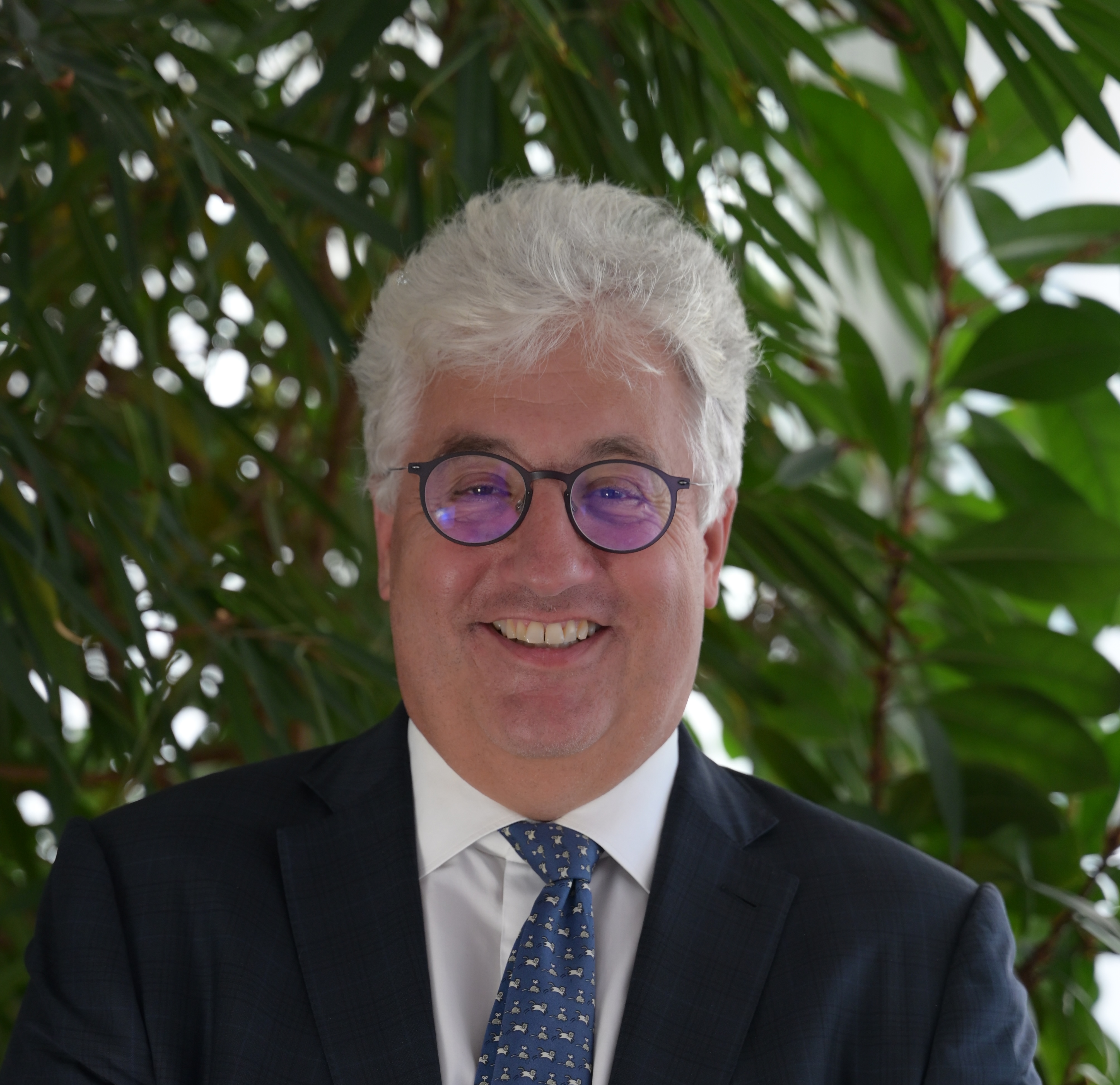
For more than four decades, Massimo Pedrazzini has advised entrepreneurs, multinational groups, family offices and boards of directors on some of their most complex strategic decisions — spanning corporate governance, international taxation, M&A, succession planning and cross-border structuring.
Alongside his legal practice and governance roles across international environments, he also serves on the Board of Hockey Club Lugano, bringing an additional perspective on leadership, performance and long-term value creation.
Today, Massimo also joins MCSC Group as a Strategic advisor to the group’s chairman, strengthening our international network of expertise and reinforcing our commitment to delivering integrated, long-term support to clients navigating increasingly complex environments.
In this conversation with MCSC Group, we explore what separates sustainable success from short-term achievement, why integrated advisory matters more than ever, and what business — and sport — can learn from each other when navigating an increasingly interconnected world.
— You have spent more than four decades advising entrepreneurs, multinational groups and family offices. Looking back, what separates sustainable success from short-term success?
— In my experience, sustainable success is rooted in a long-term mindset, whereas short-term success is often driven by opportunistic decisions and favorable market timing. The difference lies in the ability to align strategy, legal structures and human capital over time.
— Your work combines law, taxation, governance and strategic oversight. Why do complex decisions increasingly require an integrated rather than isolated approach?
— Because today’s risks and opportunities are interconnected. A legal decision has tax implications; a corporate structure affects governance; an investment strategy influences succession planning. Addressing these elements in isolation often leads to inefficiencies or unintended consequences. An integrated approach ensures consistency, mitigates risk and ultimately creates more durable outcomes across jurisdictions and time horizons.
— You often advise clients across jurisdictions and legal systems. What are the most common mistakes individuals and organisations make when operating internationally?
— The most frequent mistake is underestimating complexity. Clients often assume that what works domestically can simply be replicated abroad. In reality, differences in legal systems, tax regimes, mentality and enforcement mechanisms can significantly alter outcomes. Another common issue is poor coordination between local advisors, which can lead to fragmented strategies. International operations require central oversight combined with local expertise.
— Estate planning and succession are often postponed until it feels urgent. Why should long-term planning begin much earlier?
— Because effective succession planning is not an event but a process. Early planning allows families and entrepreneurs to make decisions rationally rather than under pressure, to prepare the next generation, assess its ability and readiness to face the challenges that the next generation will have to overcome and to structure assets efficiently. Delaying these discussions often results in conflict, tax inefficiencies and loss of value. Time is a critical asset in succession — and once lost, it cannot be recovered.
— You have extensive experience with trusts, family holdings and wealth structures. How has the concept of preserving value evolved over the last decade?
— Preserving value today goes far beyond asset protection. It now includes transparency, compliance and adaptability. Regulatory scrutiny has increased significantly, and structures must be both robust and defensible. At the same time, families are more international and dynamic, requiring flexible frameworks. Preservation of value now means safeguarding not only wealth, but also reputation, governance and continuity. Often to achieve these targets the support of external “mentors” is a very useful tool to assist the next generation in understanding and managing the realities it will be facing for the first time.
— At MCSC, we often compare elite athletes to family office clients: international, high-performing and managing multiple advisors. Does this comparison resonate with your experience?
— Yes, very much so. Both environments require coordination between highly specialized advisors, strategic decision-making under pressure, and a strong focus on performance over a limited timeframe. In both cases, success depends on having a trusted central advisor who can align legal, financial and personal considerations into a coherent strategy.
—What place has sport in your life? Both professional and private.
— I will not pretend to be what I am not – my approach to sport has been rather the one of a spectator, not the one of an athlete. I now realize how wrong I was in focusing only on work and study. This is why I now try to help young athletes in their path of becoming good persons through their experience in sport.
— You currently serve on the Board of Hockey Club Lugano. What can sport teach business leaders about governance, leadership and decision-making?
— Sport is an excellent laboratory for governance and leadership. Decisions must often be taken quickly, with incomplete information and high emotional stakes. At the same time, structure, discipline and clarity of roles are essential. For business leaders, sport illustrates the importance of accountability, team cohesion and long-term planning, even in highly dynamic environments. In my experience, the support of professionals who have not been athletes all their life long helps to force a sound brainstorming among people with different mindsets and to achieve a more balanced result.
— Sports careers are short, while the consequences of financial and legal decisions can last decades. What advice would you give athletes planning beyond performance?
— My primary advice is to think early and surround yourself with trusted advisors, who dispose of the necessary skillsets, while athletes often tend to be advised only by “friends and family”. Athletes should view their career as a platform to build long-term financial stability. This means structuring income properly, planning for tax efficiency, and investing carefully. Equally important is education — understanding the decisions being made and preparing for life after sport.
— Throughout your career, you have served on boards and advised leaders in sensitive situations. What role does governance play during periods of uncertainty and transition?
— Governance becomes even more critical during periods of uncertainty. Clear processes, defined responsibilities and transparent decision-making help prevent instability. Strong governance provides a framework within which difficult decisions can be made rationally and consistently, even under pressure. It is precisely in these moments that good structures prove their value.
— You describe your approach as combining strategic vision, legal precision and practical solutions. How do you maintain that balance in complex environments?
— It requires constant discipline and experience. Strategic vision provides direction, legal precision ensures compliance and protection, and practical solutions guarantee implementation. The balance is maintained by always considering the client’s objectives first, and then translating them into structures that are both legally sound and operationally workable. And, more importantly, it requires openness and transparency – your clint needs to understand what you think and why, and be ready to challenge your thoughts if he does not agree with them. I am always looking for a dialogue with my client to ensure I have understood his needs.
— In your view, what defines responsible stewardship — whether of a company, a family legacy or a professional career?
— Responsible stewardship means acting with a long-term perspective and a sense of accountability towards future stakeholders. It involves protecting assets, maintaining integrity, and ensuring continuity. Whether managing a company, a family legacy or a career, the objective is not only to preserve value, but to enhance it responsibly and sustainably.
— Looking ahead, what skills will become most important for leaders managing international and increasingly interconnected realities?
— Leaders will need a combination of technical competence and strategic adaptability. Cross-border awareness, the ability to integrate diverse areas of expertise, and strong decision-making under uncertainty will be essential. Equally important will be ethical judgment and governance awareness, as expectations around transparency and responsibility continue to grow globally.